
1. Test water before treating fish
Many "disease" cases begin as water or oxygen stress. Ammonia, nitrite, unstable pH, low dissolved oxygen, sudden temperature change, or chlorine exposure can make koi gasp, clamp fins, flash, isolate, or stop eating. Medication before testing can make matters worse because some treatments reduce oxygen or disturb the biofilter.
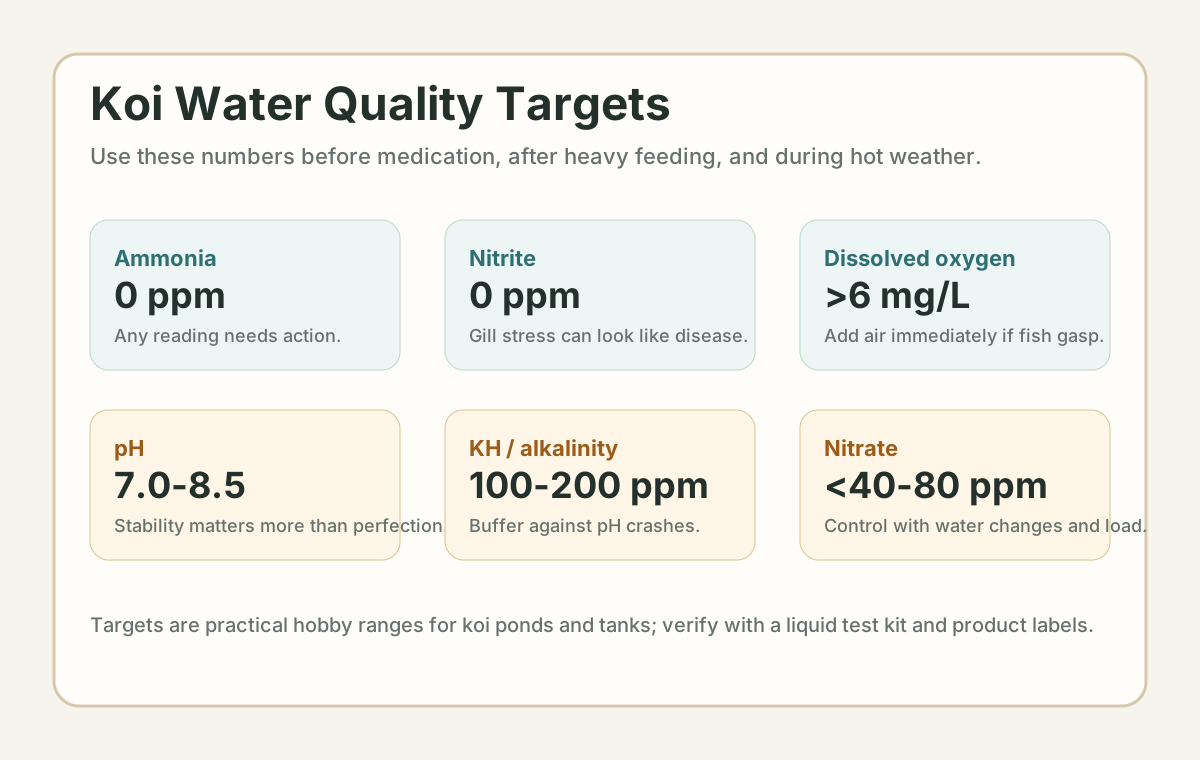
| Parameter | Practical koi target | What to do when outside range |
|---|---|---|
| Total ammonia nitrogen | 0 ppm on a hobby test kit. Un-ionized ammonia becomes more dangerous as pH and temperature rise. | Stop feeding, add aeration, bind ammonia if needed, check filter maturity, and make controlled water changes with dechlorinated water. |
| Nitrite | 0 ppm. Any confirmed nitrite means the biofilter is not keeping up. | Reduce feeding, increase aeration, check chloride/salt guidance carefully, and water-change gradually. Nitrite can cause brown-blood disease and gasping. |
| pH | About 7.0-8.5 is workable for koi when stable. A daily swing over about 0.3-0.5 pH units deserves attention. | Test morning and evening. Check KH before trying to change pH; sudden correction can be more stressful than the original number. |
| KH / alkalinity | Often kept around 100-200 ppm as CaCO3 in koi ponds to buffer pH. | Low KH can lead to a pH crash. Adjust gradually and retest after rain, large water changes, or heavy feeding periods. |
| Dissolved oxygen | Aim above 6 mg/L. Treat gasping, crowding at waterfalls, and heavy surface breathing as urgent. | Add air stones, diffusers, waterfalls, or emergency surface agitation. Warm water, algae die-off, medications, and nighttime plant respiration can lower oxygen. |
| Nitrate | Preferably below 40-80 ppm for long-term koi keeping. | Use water changes, lower feeding, improve solids removal, and avoid overstocking. Nitrate is less immediately toxic than ammonia or nitrite but signals load. |
| Chlorine / chloramine | 0 ppm in pond or tank water. | Always dechlorinate tap water before adding it. Chloramine can also create ammonia pressure after neutralization. |
2. Quarantine new koi
Quarantine is not a formality; it is how you protect the pond you already have. Keep new koi separately for 4-6 weeks when possible, with stable water and close observation of appetite, breathing, skin, feces, and behavior. This gives parasites, bacterial issues, and transport stress time to reveal themselves before the fish joins the main pond.
For higher-value koi, mixed-source fish, show fish, or fish with unclear health history, quarantine should also be treated as biosecurity. Use dedicated wet tools, avoid sharing water between systems, and do not move fish onward if unexplained lethargy, gill distress, or deaths appear. See the biosecurity and KHV risk guide for the full checklist.
3. Keep oxygen high
Sick fish, warm water, medications, and heavy feeding all increase oxygen demand. Aeration is basic health equipment, not an optional accessory. If koi gather at waterfalls, gasp, hang near returns, or breathe rapidly, increase aeration first while testing water.
4. Avoid overcrowding
Too many koi increase waste load and stress. A conservative planning number is at least 250 gallons per adult koi, with 500 gallons or more per large koi being easier to manage. Filtration capacity, water volume, oxygen, and maintenance habits should guide stocking decisions more than the pond's visual size.
5. Observe daily
Look for changes in appetite, swimming, fin position, breathing, flashing, isolation, mucus, redness, frayed fins, or surface behavior. Early detection improves outcomes because you can correct water or isolate one fish before the whole pond declines.