
Koi Varieties
Learn the language of koi color and pattern.
Start with Gosanke, then compare the major non-Gosanke groups: Tancho, Utsurimono, Bekko, Asagi, metallic koi, and other collector categories.
17illustrated varieties
4cross-cutting traits
The number above counts dedicated illustrated guides on this site, not every named Nishikigoi. The All Japan Nishikigoi Promotion Association notes more than 140 named varieties; its JAS framework lists 20 regulated groups plus Kawarigoi for fish outside those groups.
Classification Tree
Nishikigoi variety map
This tree separates true variety groups from cross-cutting traits such as Tancho, Gin Rin, and Doitsu, which can appear across multiple varieties.
Use the photos below for identification first: base color, red placement, black structure, metallic luster, scale type, and fin form. Quality judging is a deeper subject, but variety recognition starts with naming what you can actually see.
| Group | Primary judging focus | Beginner trap |
|---|---|---|
| Gosanke | Body, clean shiroji, beni quality, sumi balance, pattern from head to tail. | Buying only for dramatic pattern while ignoring body and skin. |
| Black-pattern families | Whether black is structural or placed, plus contrast and cleanliness. | Confusing dirty speckling with good sumi. |
| Old-line / reticulated groups | Even scale pattern, clean head, controlled red placement, refined impression. | Accepting muddy reticulation because the variety is unusual. |
| Metallic Hikari groups | Even metallic luster, clean head, uniform color or pattern clarity. | Ignoring dull fins or uneven shine. |
| Kawarimono / pond favorites | Body, skin, temperament, scale neatness, and color consistency. | Assuming simpler varieties have no quality standards. |
| Term | What it means | How to spot it |
|---|---|---|
| Kohaku | White koi with red pattern; the foundation variety for learning shiroji and beni. | No black markings. Look for clean white skin and balanced red placement. |
| Sanke | White-based three-color koi with red and black markings. | Black usually appears as accents on the body rather than a heavy black base. |
| Showa | Three-color koi with a stronger black structure. | Black often wraps through the body and can appear on the head. |
| Doitsu | German-scaled or nearly scaleless form that can appear across varieties. | Smooth body with mirror-like scale rows or very few scales. |
| Gin Rin | Sparkling reflective scale effect, not a single color variety. | Individual scales flash like glass or diamond flakes in light. |
| Tancho | Single red head mark, often seen as Tancho Kohaku, Tancho Sanke, or Tancho Showa. | One clear red mark on the head, with no other red on the body. |
Professional Video
Watch: scale type in koi selection
Scale type appears across many varieties, so this Sacramento Koi video helps explain why Doitsu, Gin Rin, and normal scaled koi should be recognized as traits that influence appearance and judging.
Hobbyist Poll
Which mainstream koi variety is your favorite?
Vote once from this browser and see how other My Koi Garden readers rank the major koi varieties. You can change your vote later.
Gosanke / The big three
The foundation group for learning body, skin, beni, sumi, and pattern balance.
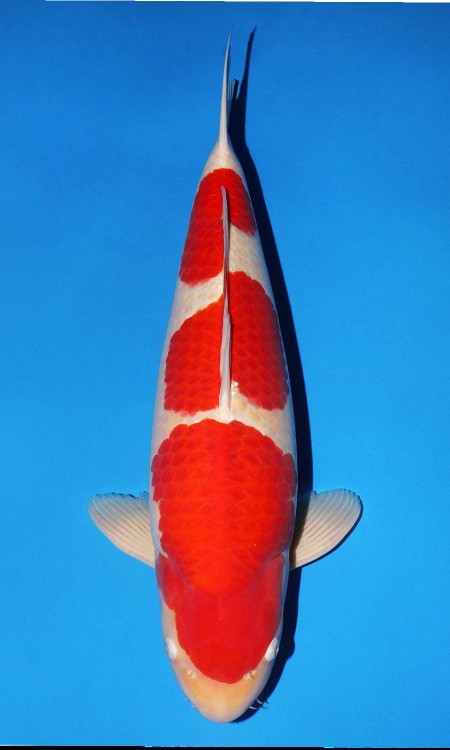 Kohaku
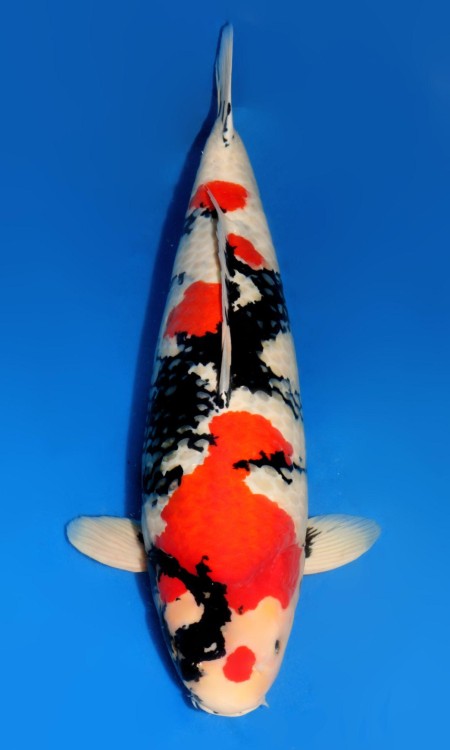 Taisho Sanke
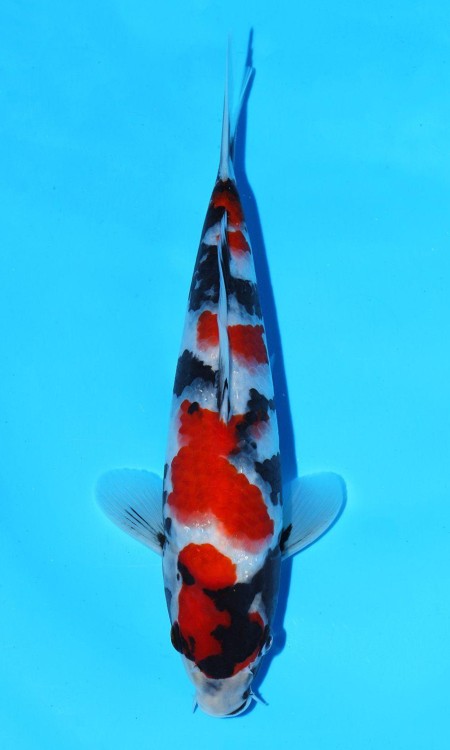 Showa Sanshoku
Black-pattern families
These groups help beginners understand the difference between black-based koi and koi with black markings placed on a lighter body.
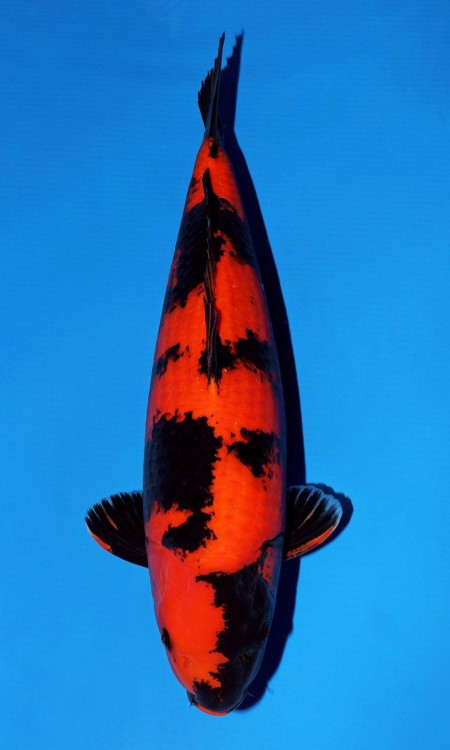 Utsurimono
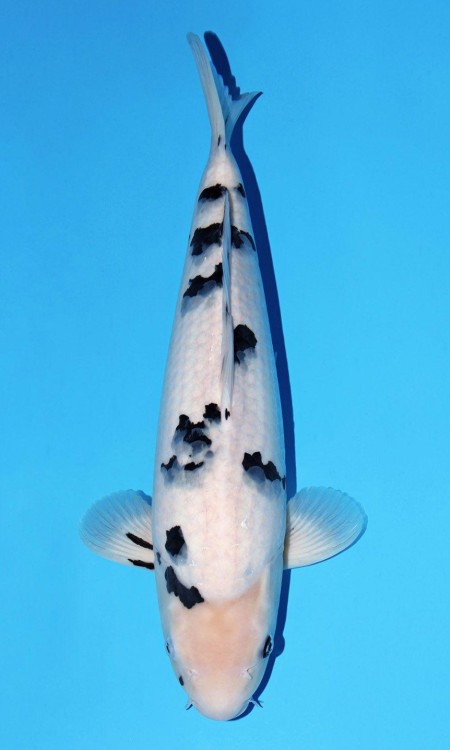 Bekko
BekkoOld-line and reticulated groups
Older and pattern-texture focused groups, useful for learning reticulation, scale structure, and quieter beauty.
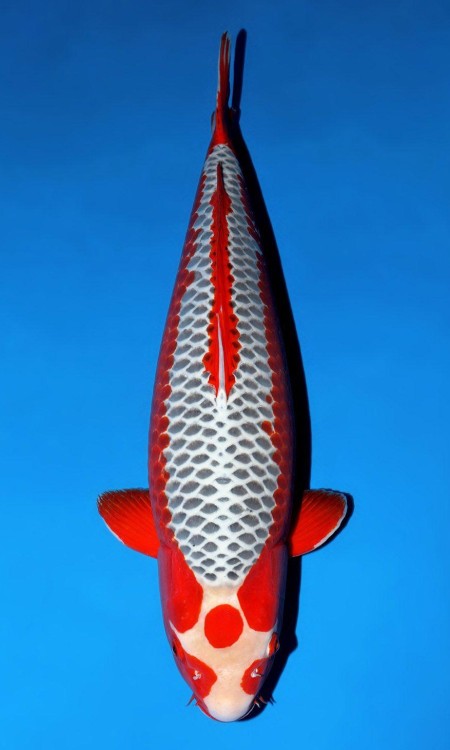 Asagi
Asagi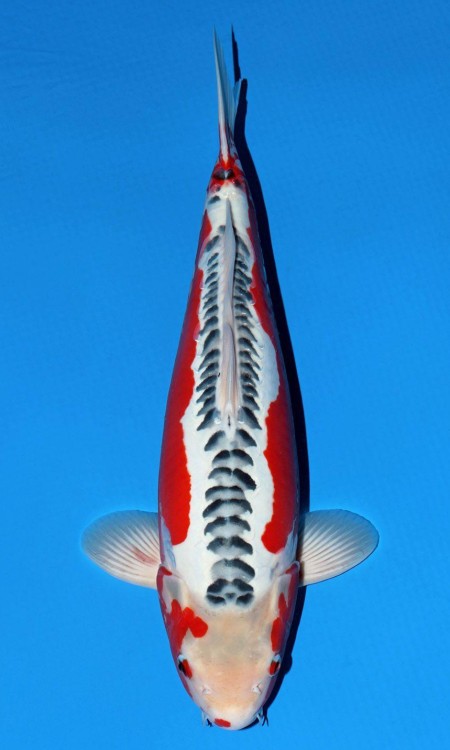 Shusui
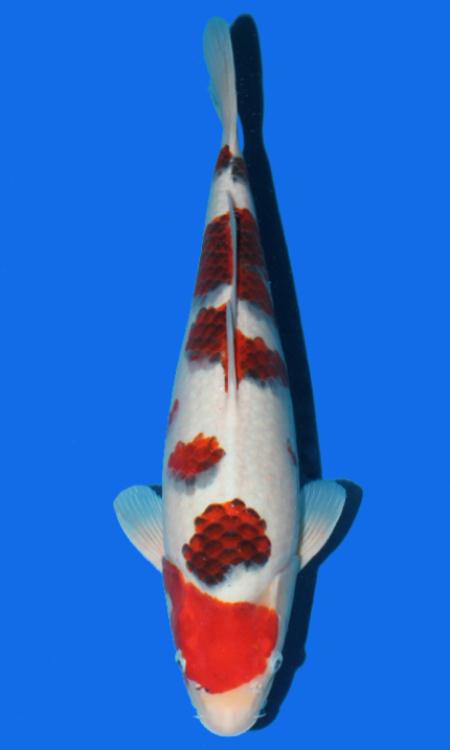 Goromo / Koromo
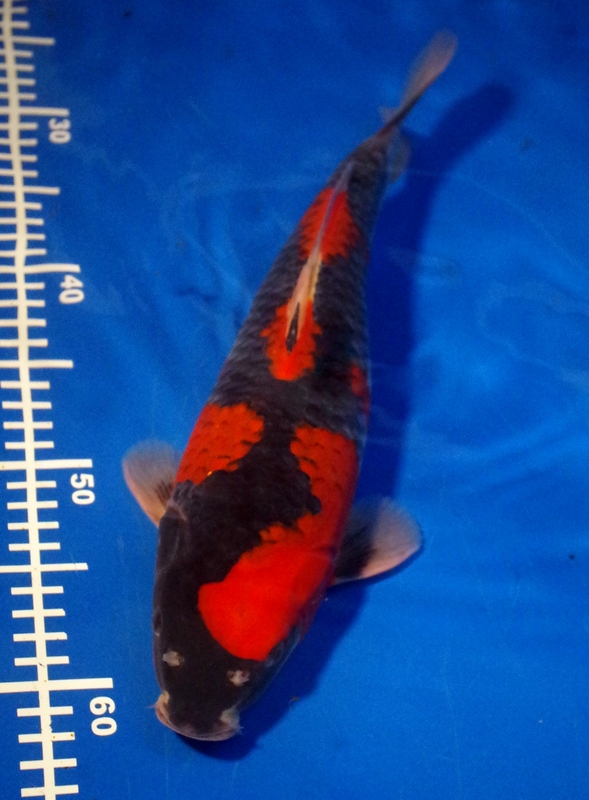 Goshiki
Metallic Hikari groups
Metallic koi are judged heavily by luster, body, color evenness, and how cleanly the shine carries through the fish.
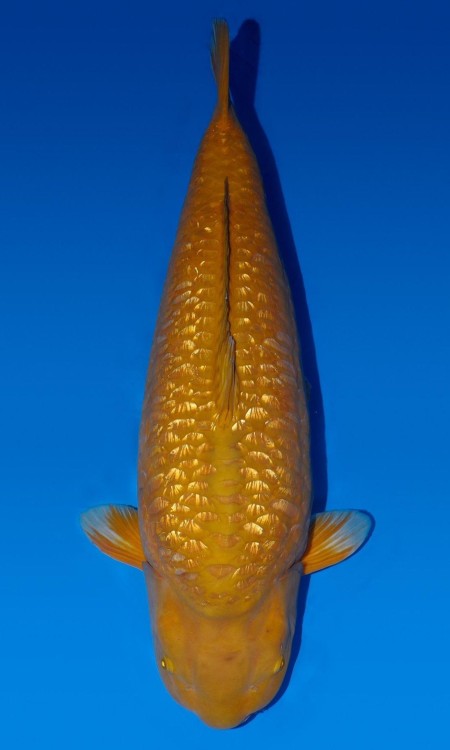 Hikari Muji / Ogon
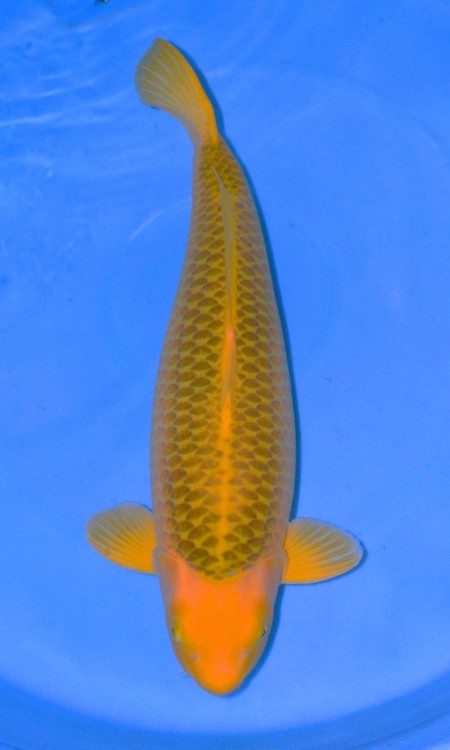 Hikari Moyo
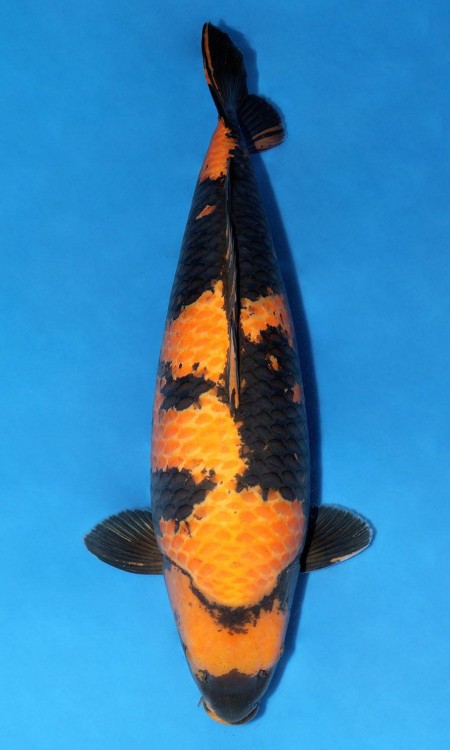 Hikari Utsuri
Kawarimono and pond favorites
A broad non-metallic category for koi outside the major show groups, including several popular friendly pond fish.
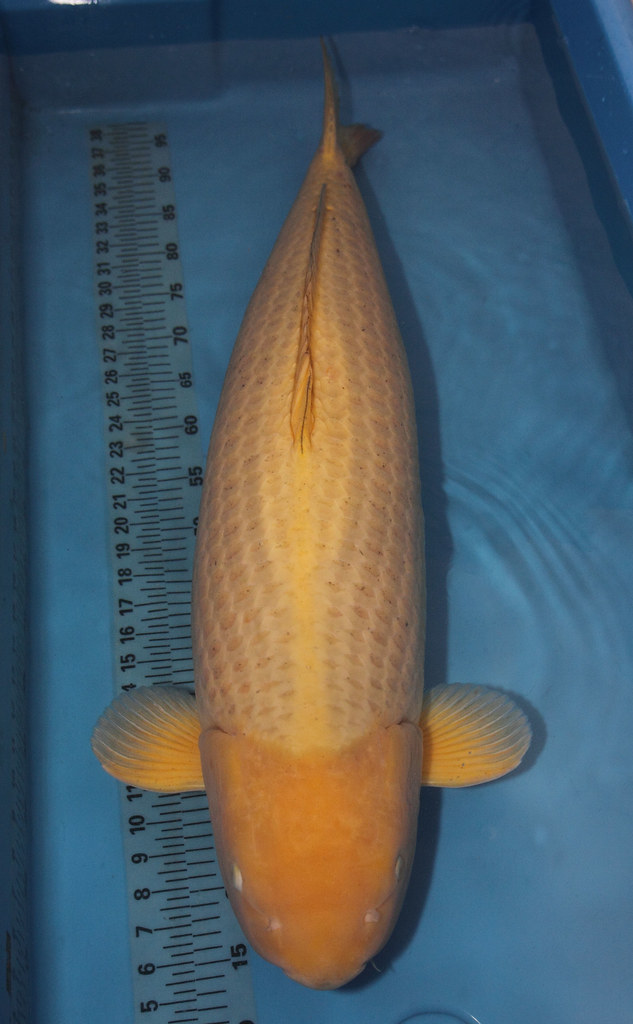 Chagoi
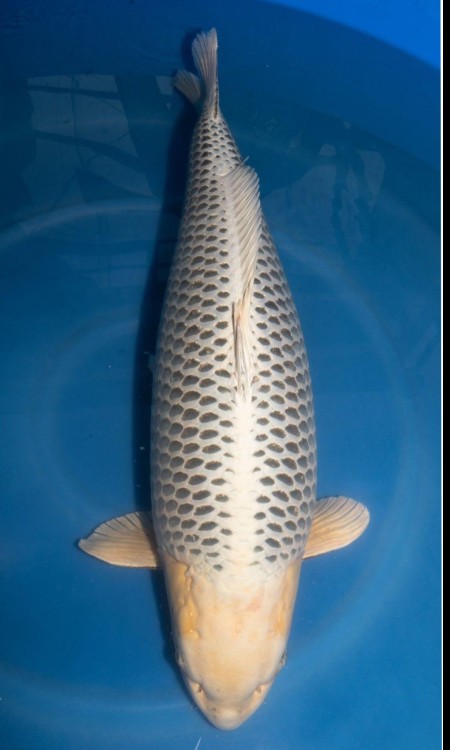 Soragoi
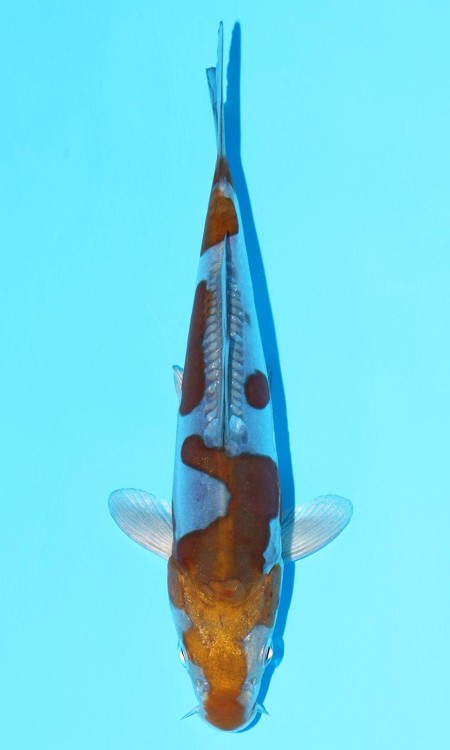 Ochiba Shigure
Cross-cutting traits and modifiers
These are not always standalone variety families. They can modify or appear within other varieties.
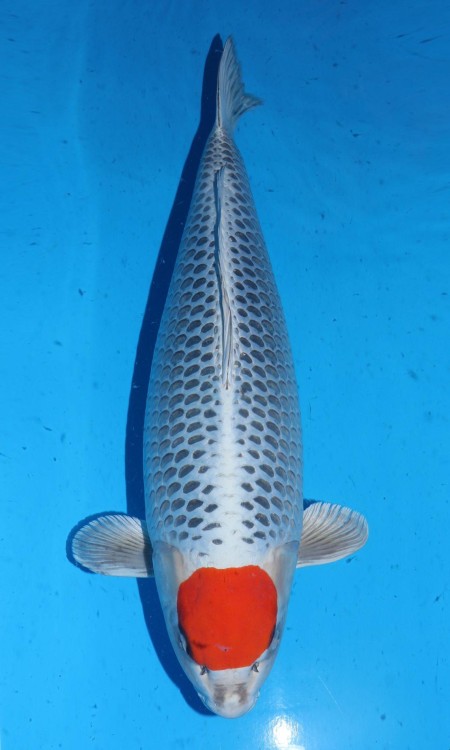 Tancho
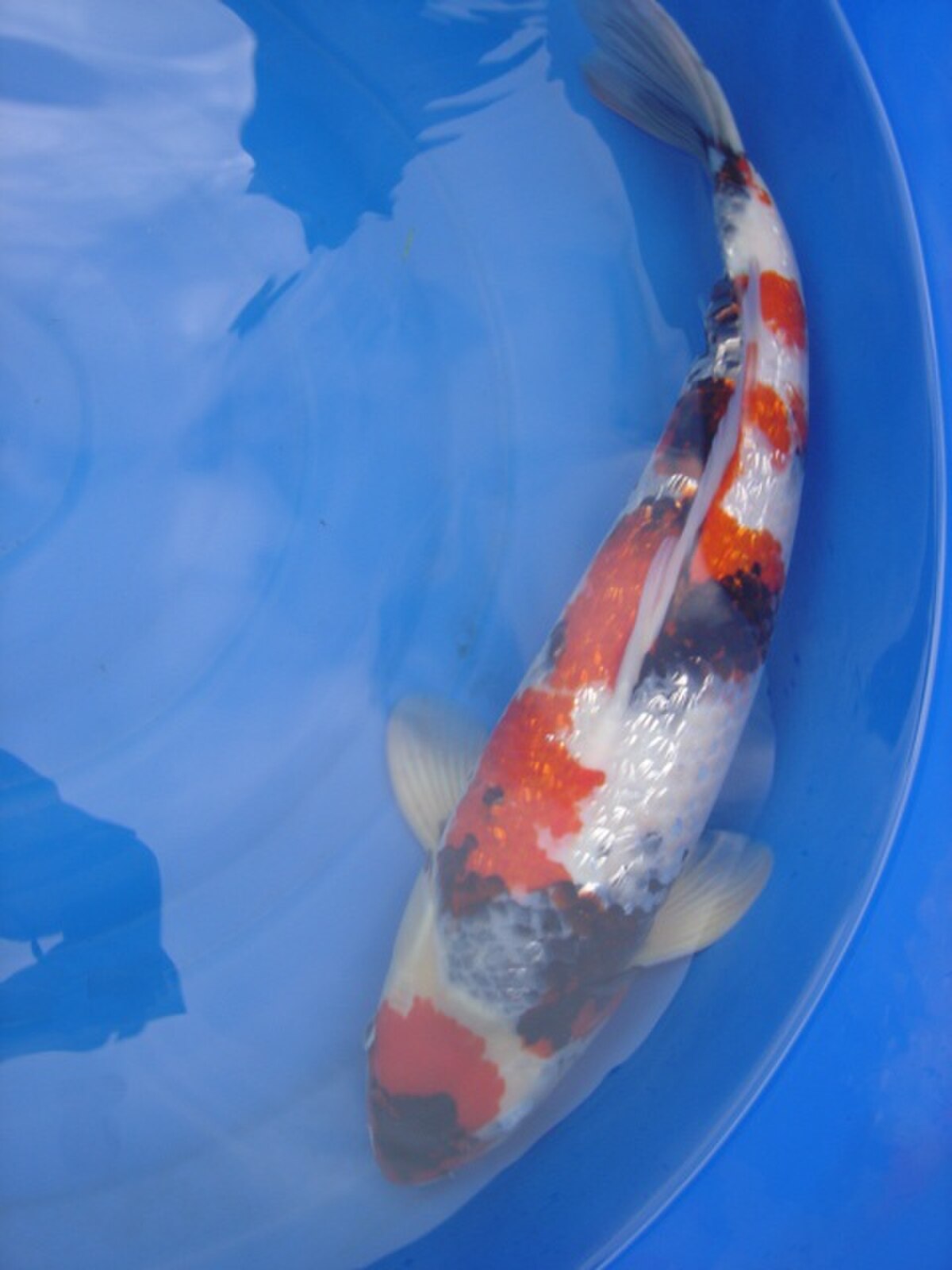 Gin Rin
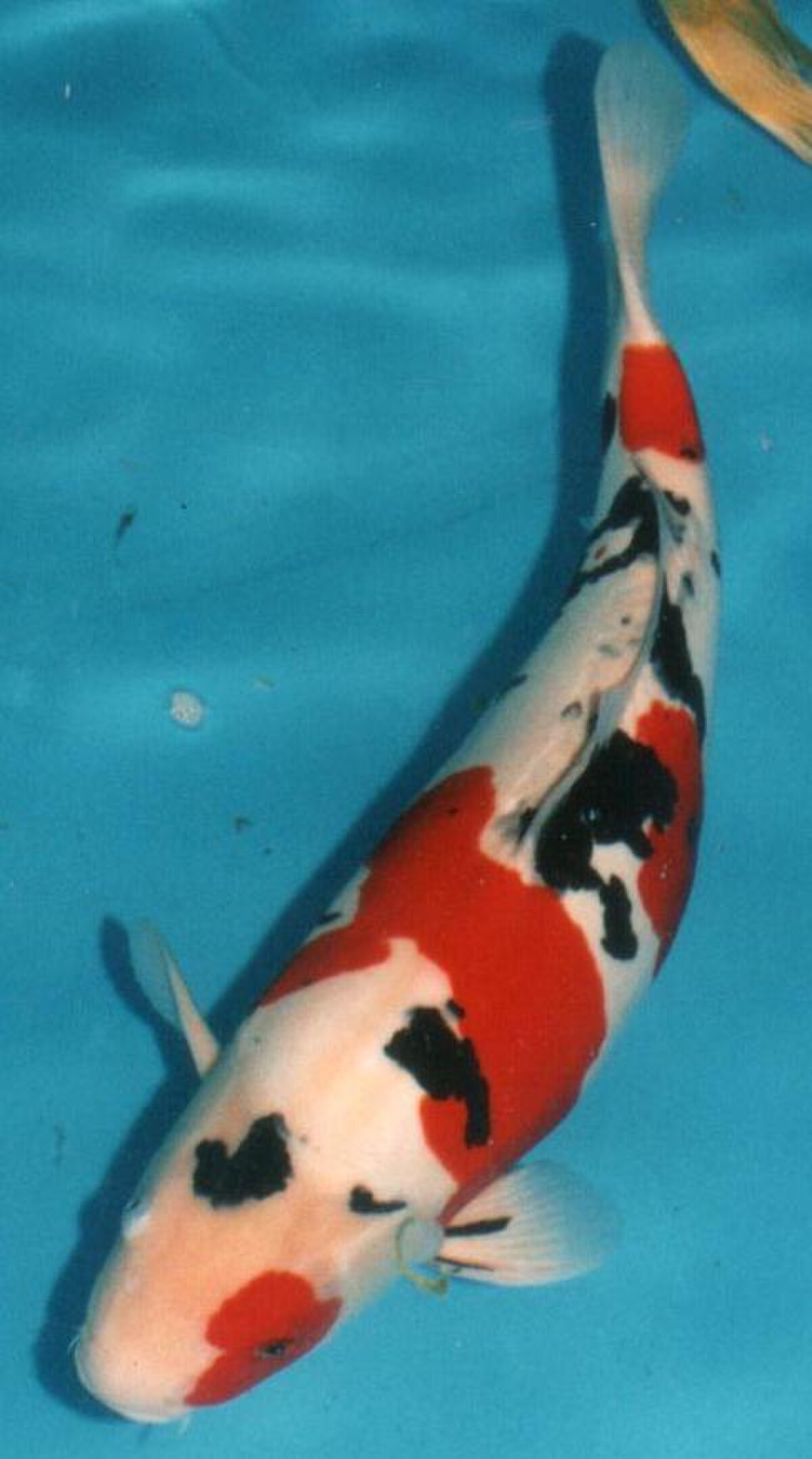 Doitsu
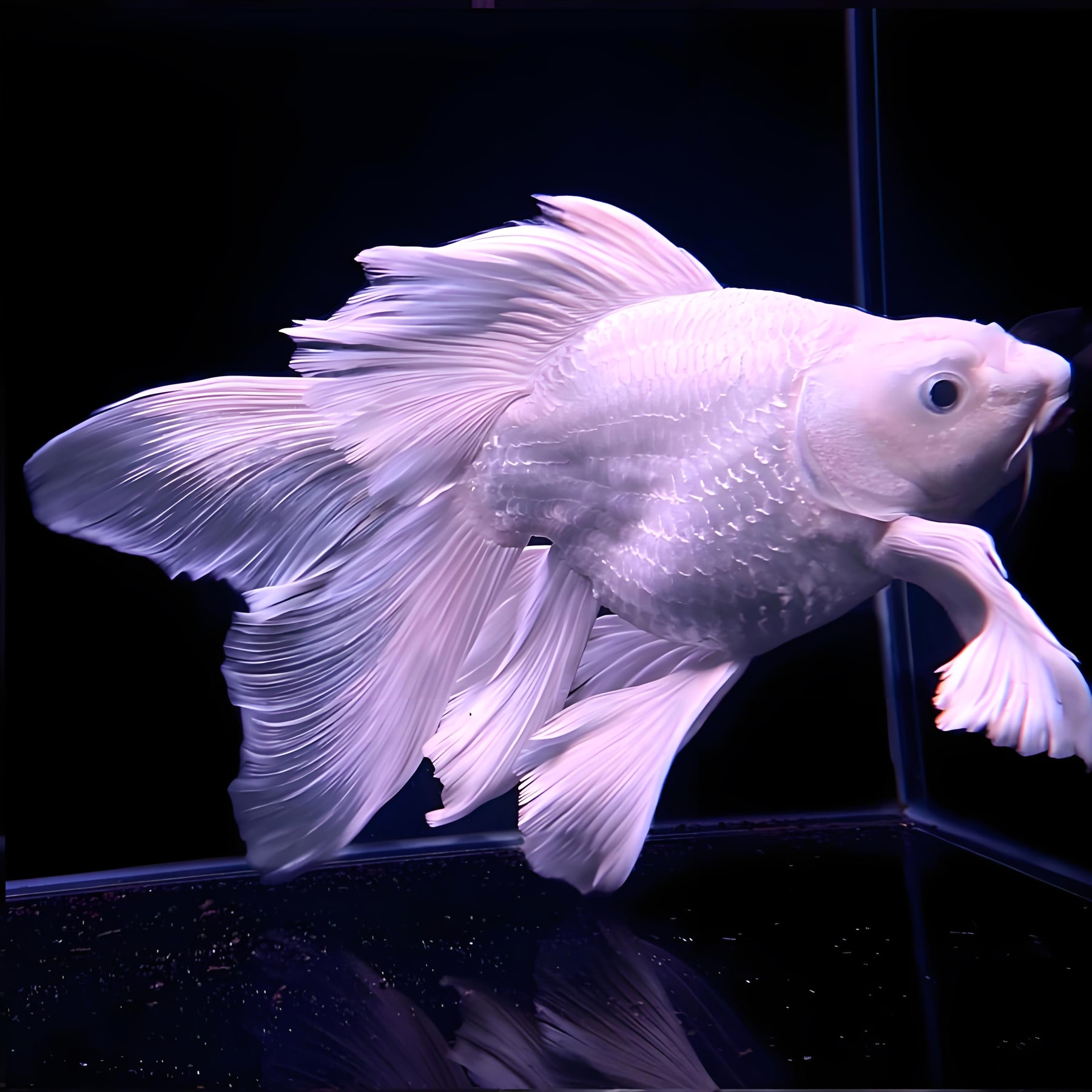 Longfin / Butterfly Koi
Classification references: the All Japan Nishikigoi Promotion Association notes more than 140 named Nishikigoi varieties and defines Kawarigoi against 20 regulated groups; Zen Nippon Airinkai organizes show appreciation into 17 variety groups. Named varieties, show classes, and the number of illustrated guides on this site are therefore different counts.