
Award-winning reference photos
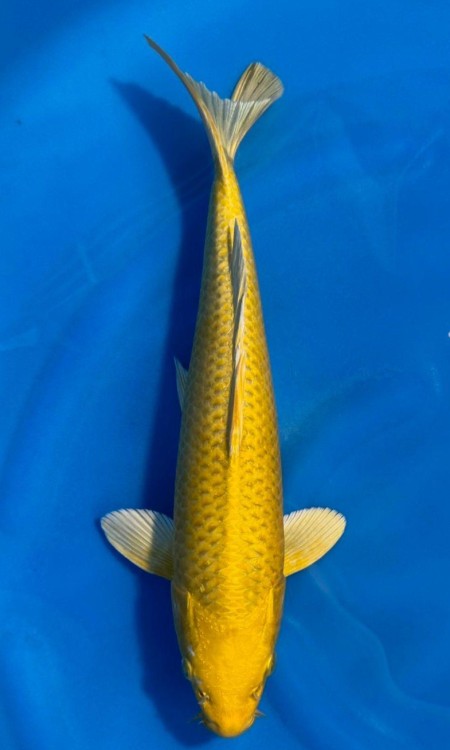
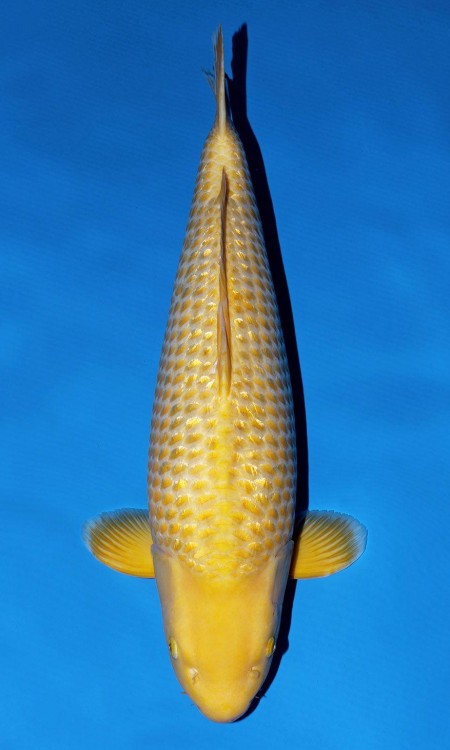
Identity
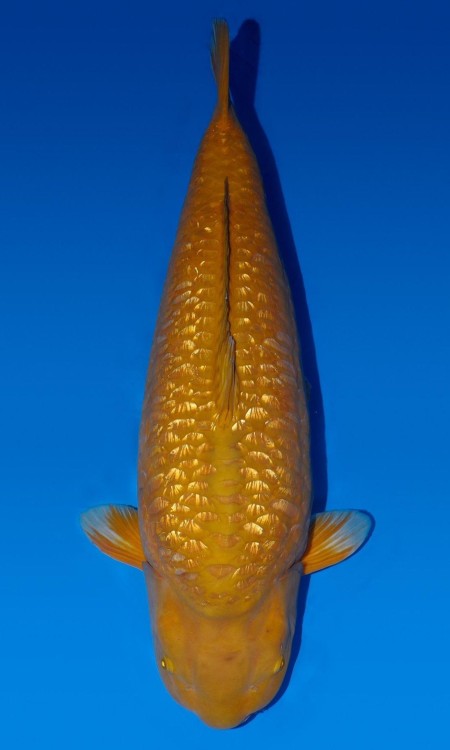
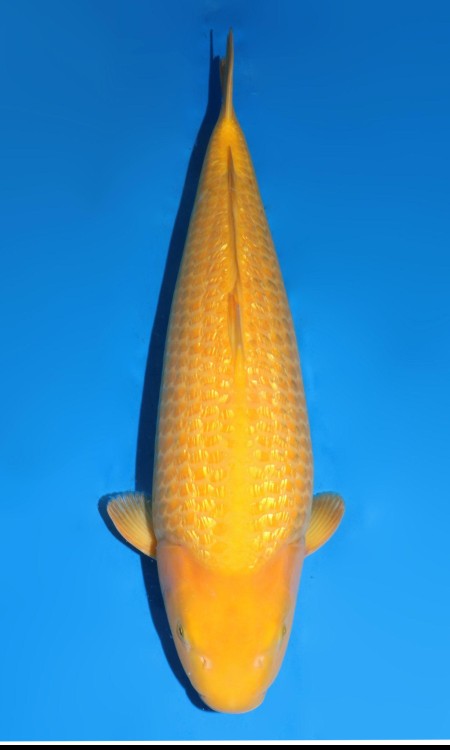
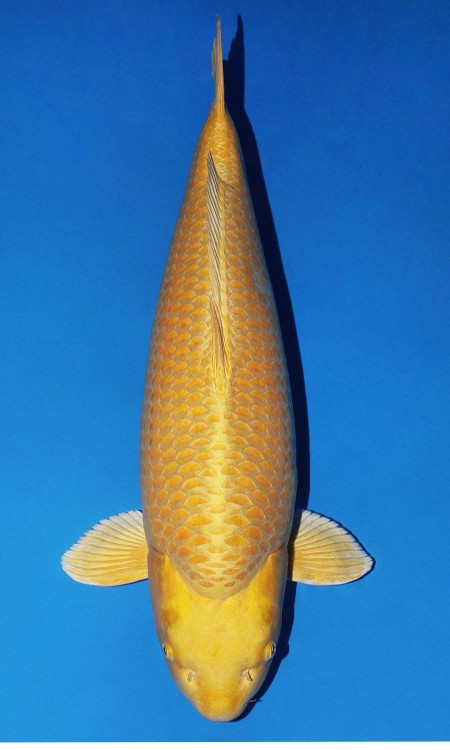
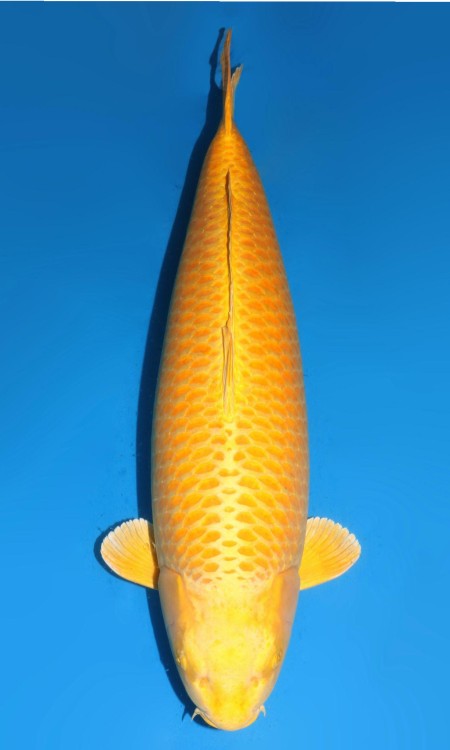
Ogon are appreciated for metallic luster and clean simplicity. Because there is no complex pattern to distract the eye, body shape, even color, and shine are especially important.
| Feature | Ogon standard | Common issue |
|---|---|---|
| Metallic luster | Even shine from head through tail, including fins. | Dull head or uneven sheen that breaks the metallic impression. |
| Color | Clean, consistent single color: platinum, yamabuki yellow, orange, or related Ogon tones. | Patchy color or stains that look accidental rather than variety-related. |
| Body | Strong body is critical because there is no pattern to hide weakness. | Buying a bright color on a thin or bent frame. |
| Pond visibility | Ogon are easy to see in greenish or deep ponds. | Overstocking because hardy-looking single-color koi seem simple. |
Core terms
- Hikari
- Metallic shine or luster. On Ogon, weak shine is easy to see because the body is one color.
- Hikari-muji
- The single-color metallic group. Yamabuki Ogon is the yellow-gold example many pond keepers recognize quickly.
- Even color
- Patchy color or dull areas weaken the impression because there is no pattern to hide them.
Beginner notes
- Look for strong, even metallic sheen from head through tail.
- Color should look consistent, not patchy or dull.
- A good Ogon can be very visible and satisfying in a garden pond.
- Because Ogon are visually simple, do not compromise on body line and swimming behavior.