
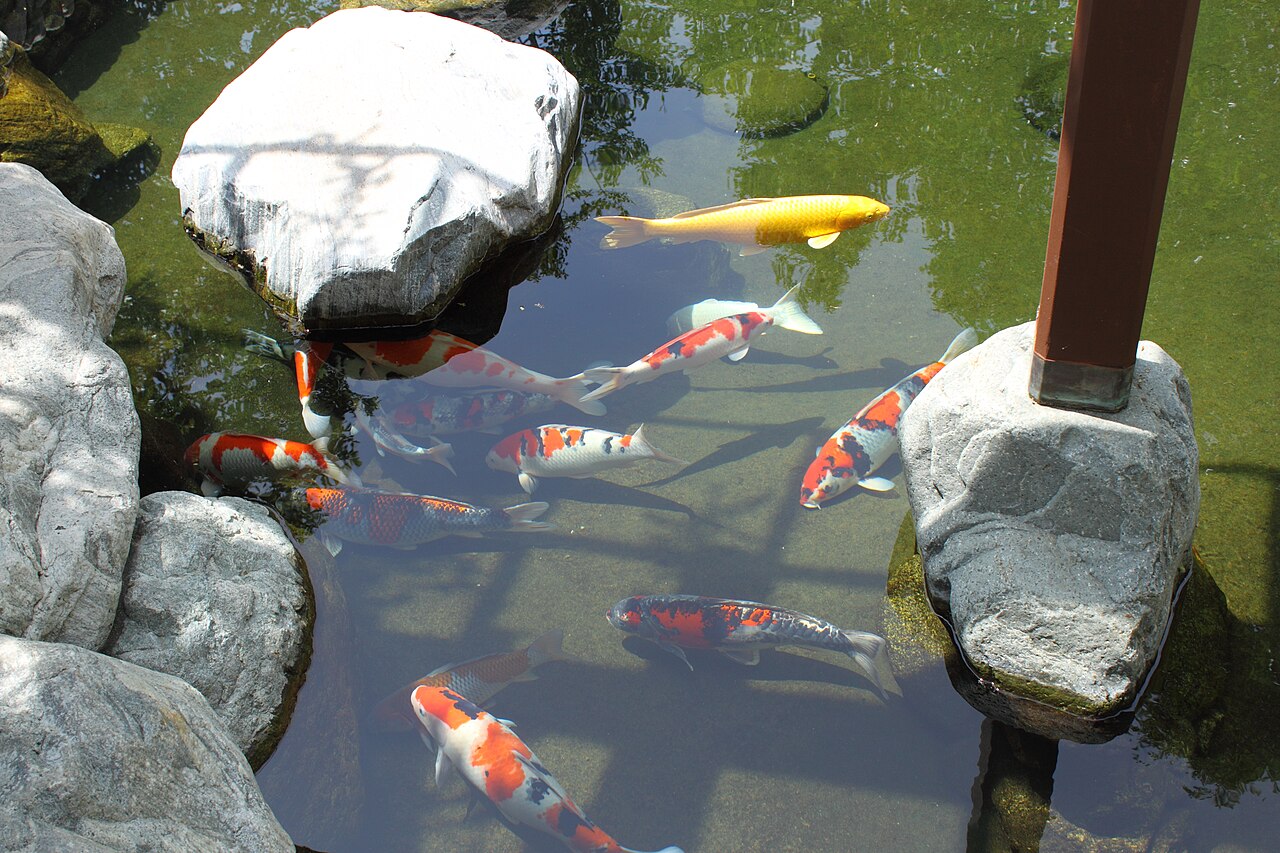
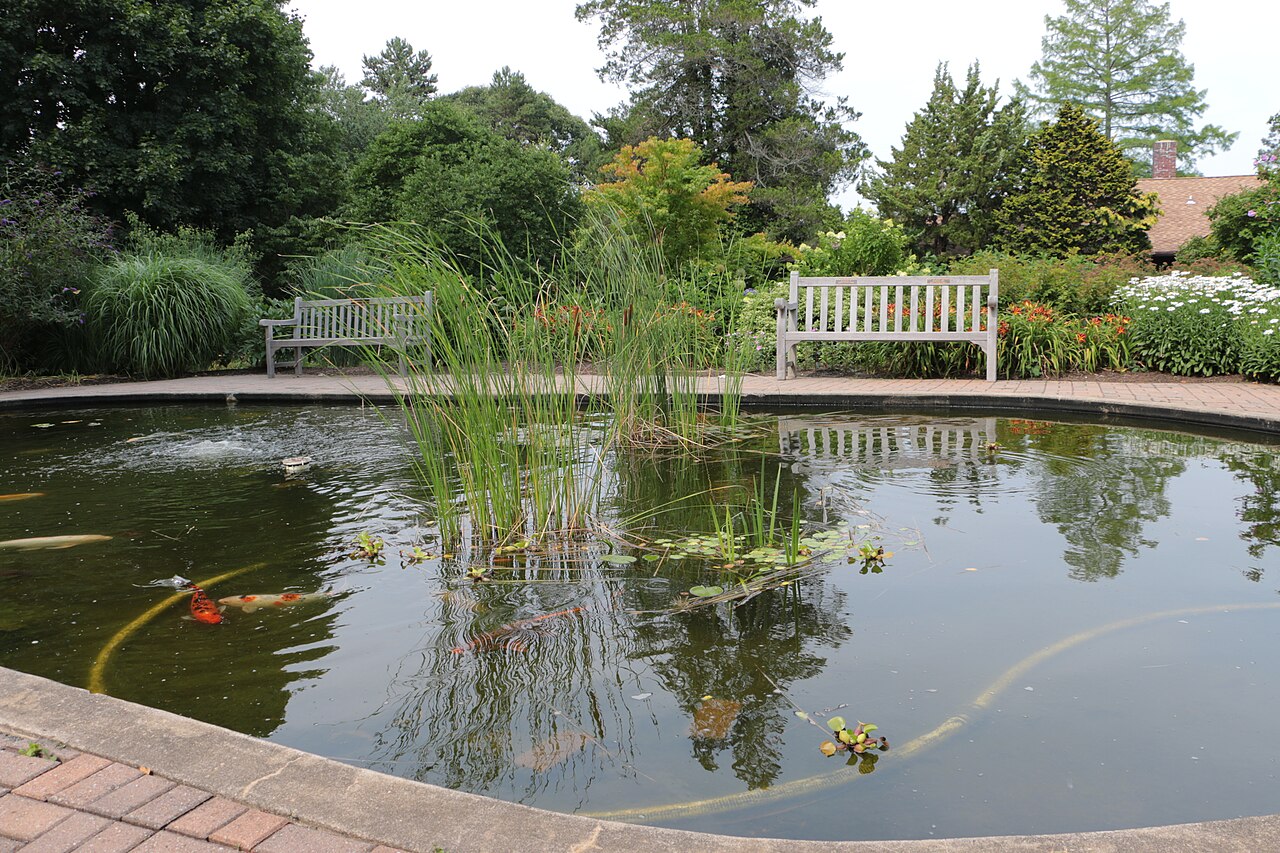
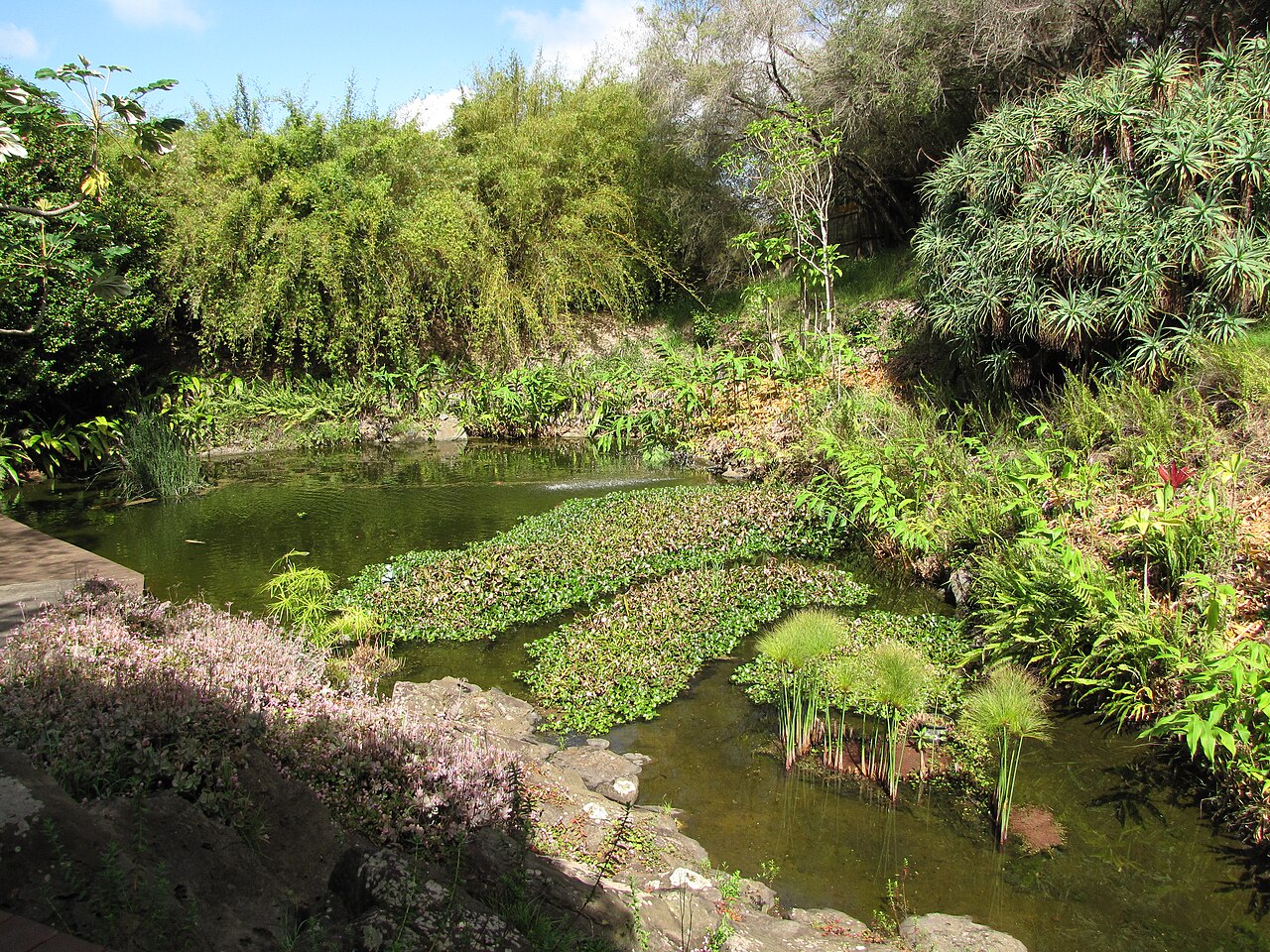
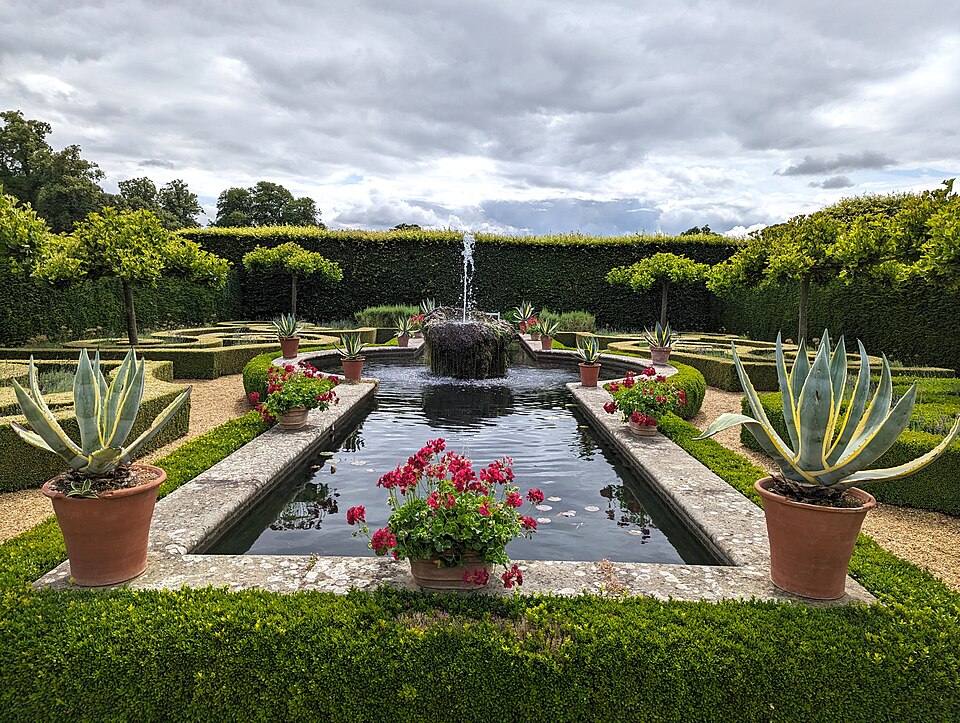
Chinese courtyard pond references
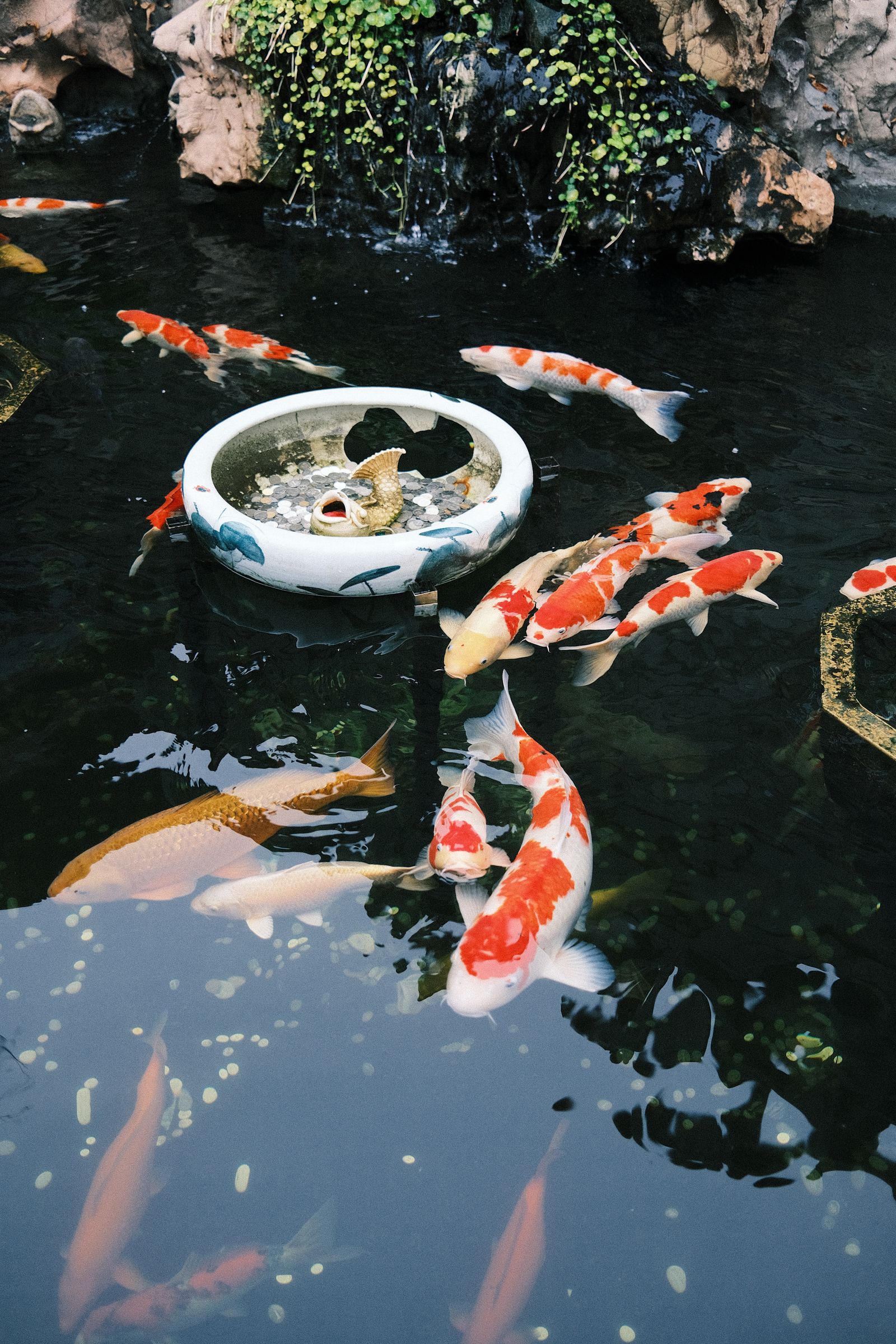
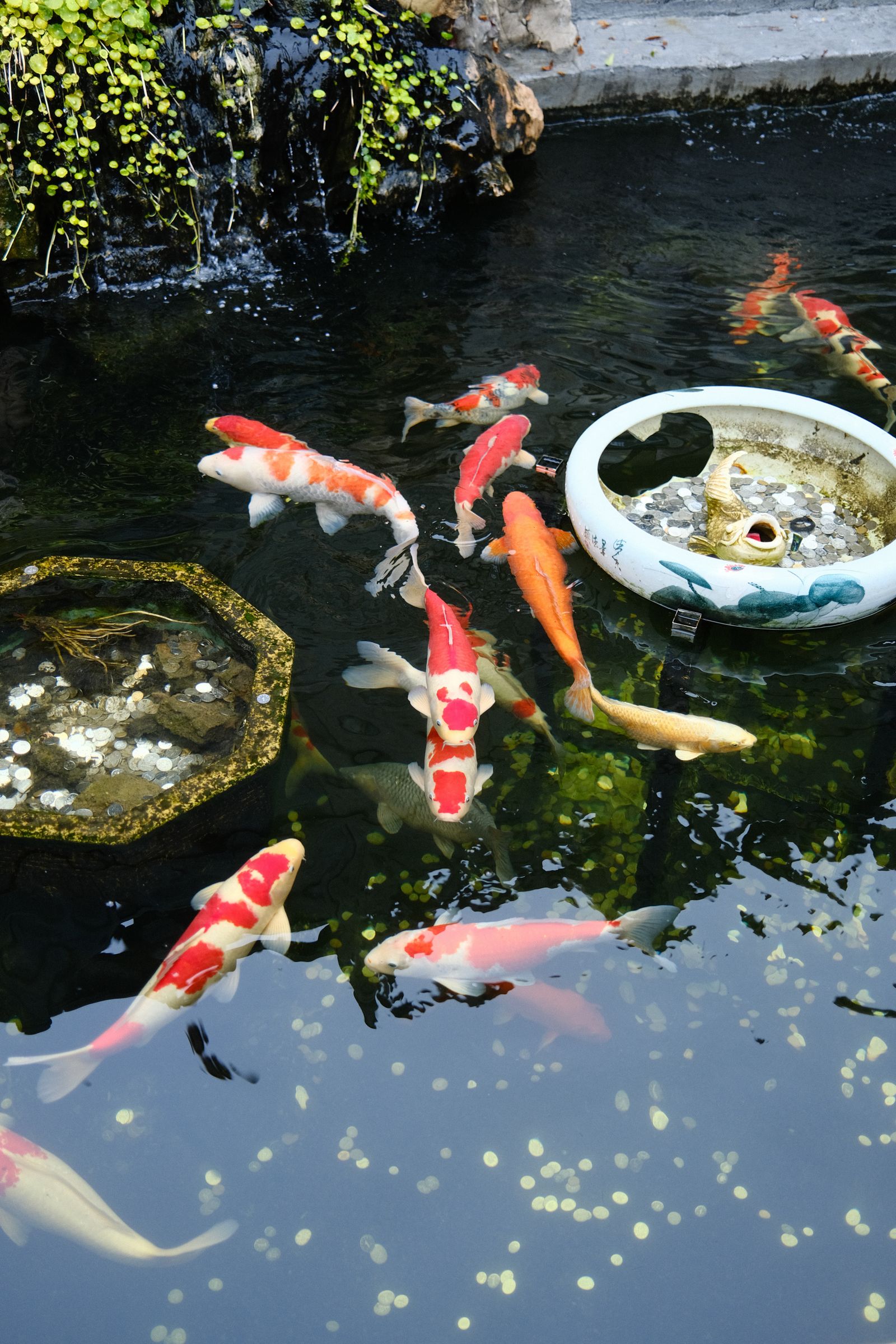
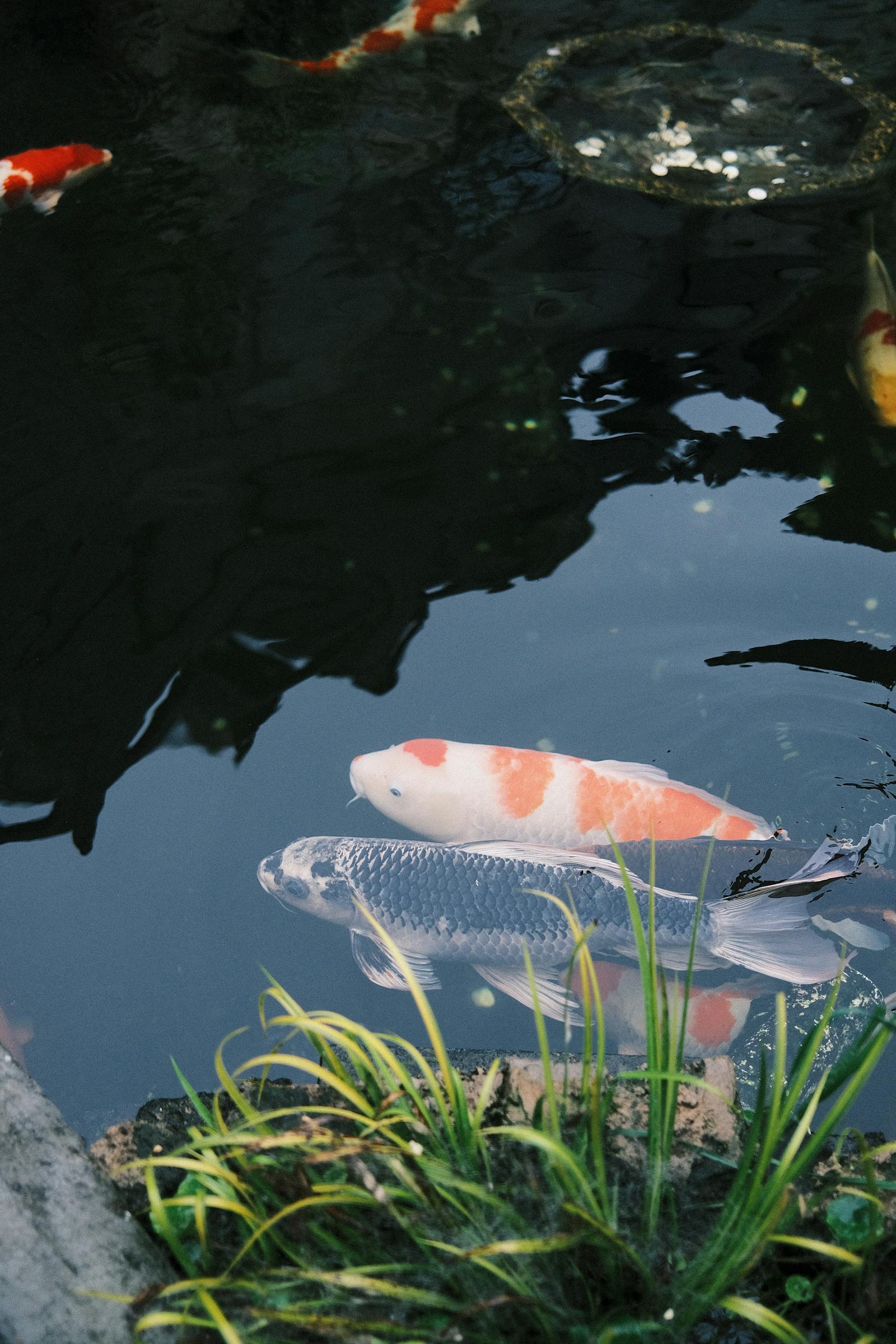
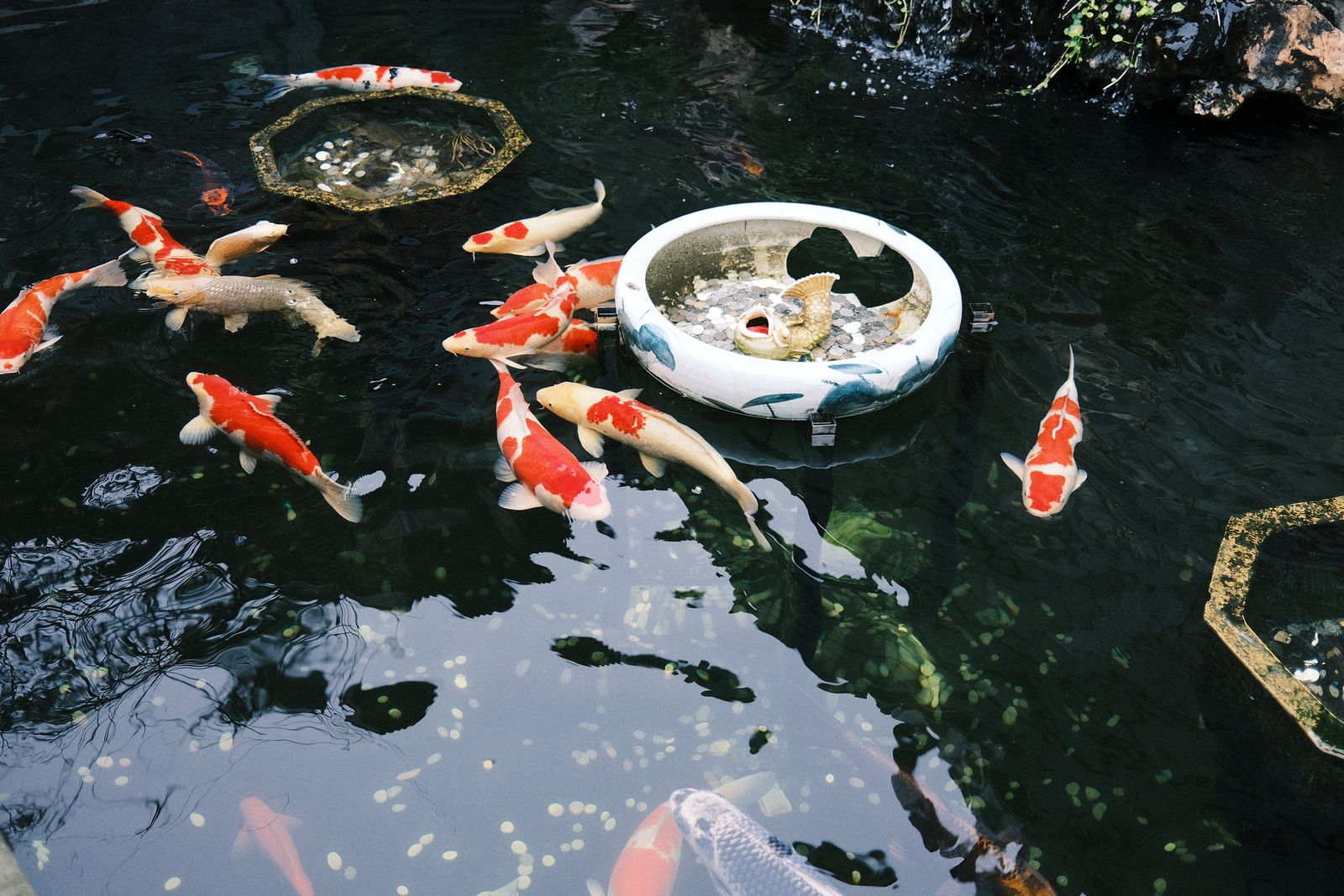
These real pond photographs are useful for studying mood, edge treatment, shade, plants, and viewing angles. They are inspiration photos, not proof that a pond has enough filtration for adult koi.
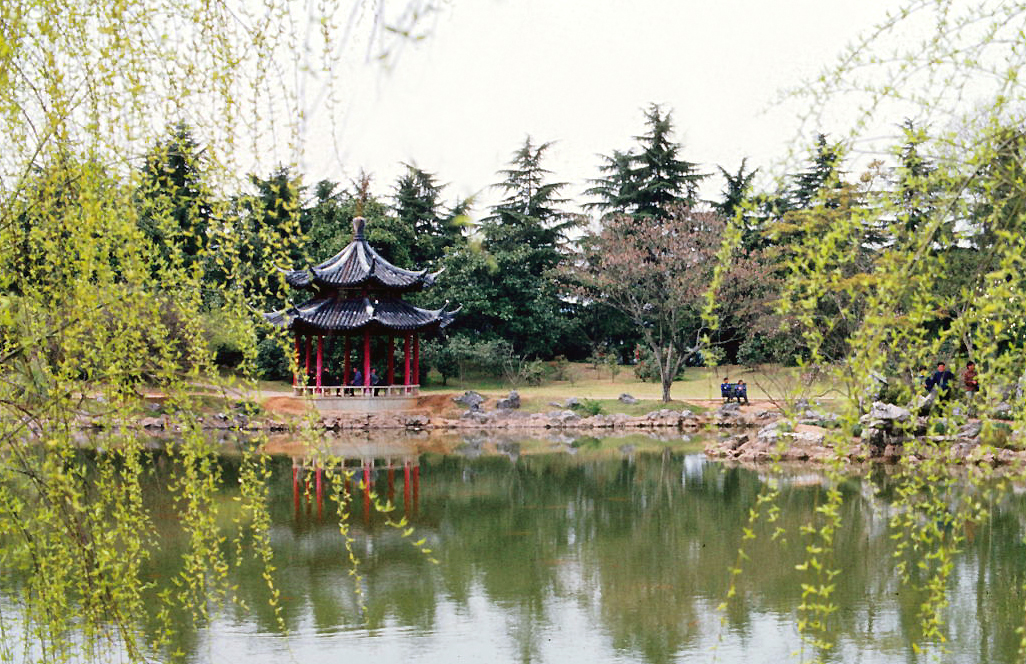
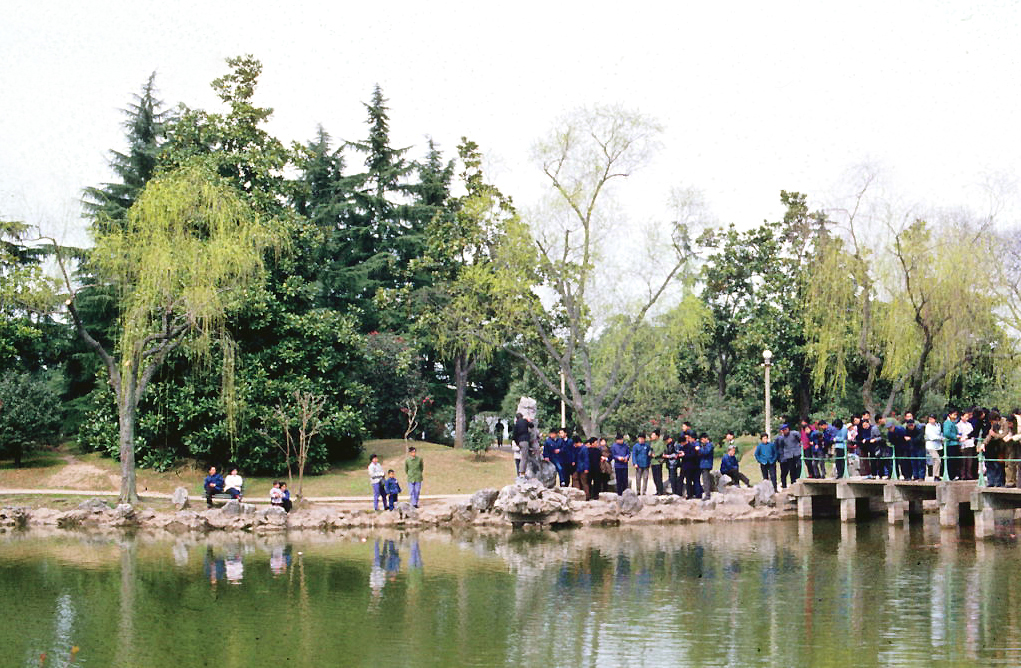
Dedicated koi pond
Best for serious koi keeping. It prioritizes depth, clean walls, bottom drains, strong filtration, oxygen, and easy netting. Plants and rock-filled bottoms are usually minimized because they trap waste and complicate health management.
| Design point | Practical target | Why it matters |
|---|---|---|
| Depth | Often 4 ft / 1.2 m or deeper for serious koi ponds, adjusted for climate and local rules | More stable temperature, safer overwintering, more swimming volume |
| Bottom | Smooth floor sloped toward bottom drains | Moves waste out instead of trapping it under rocks |
| Volume | Plan at least 250 gallons per adult koi; 500+ gallons per large koi is easier | Waste dilution, oxygen stability, and growth room |
| Circulation | Skimmer plus bottom drain route to mechanical and biological filtration | Surface debris and sinking solids need different collection points |
Garden pond with koi
Balances fish and landscape. It may include shelves, plants, rocks, and waterfalls. It can work, but stocking should be conservative and maintenance must account for debris trapped around plants and stones. If the pond is under 3 ft deep, has many plant shelves, or lacks a bottom drain, treat it as a light-stocked ornamental pond rather than a growth pond.
Raised koi pond
Good for small yards and easier viewing. Raised walls can reduce digging and make equipment access cleaner. Temperature swings and structural strength need attention. Raised ponds need engineered walls, safe coping, child/pet safety planning, and insulation consideration in cold climates.
Naturalistic pond
Looks informal and wildlife-friendly, often with plants and soft edges. For koi, this design needs careful filtration and predator protection because naturalistic does not mean self-cleaning. Herons, raccoons, snakes, and shallow shelves can make koi vulnerable, so netting points and hiding depth should be considered early.
Quarantine or hospital tank
A separate temporary system for new or sick fish. It should have aeration, cover, filtration, dechlorinated water, and stable temperature. This is health equipment, not an optional luxury. Many hobbyists use a temporary tank or show vat with a mature sponge/media filter, air pump, thermometer, heater if needed, net cover, and dedicated tools.
Comparison table
| Pond type | Best for | Main risk | Recommended stocking mindset |
|---|---|---|---|
| Dedicated koi pond | Koi growth, health observation, serious collection | Higher construction cost | Moderate stocking with strong filtration |
| Garden pond with koi | Mixed landscape and fish display | Waste trapped around rocks/plants | Light stocking only |
| Raised pond | Small yards, formal viewing, easier equipment access | Structural load and temperature swing | Depends on volume and filtration |
| Naturalistic pond | Wildlife look, plants, informal edge | Predation and sludge pockets | Very conservative koi stocking |
| Quarantine tank | New fish, sick fish, observation | Uncycled filter and fast water changes | Temporary, closely tested |